The Future of Dermatology
Join Dr. Faranak Kamangar, MD, every week as she chats with various guests about the future of dermatology. Each week, Dr. Kamangar and her guests cover topics from psoriasis, to eczema, to skin care, to AI, and more. Whether you’re a doctor or a patient, these episodes provide valuable information about your skin and how to navigate the world of dermatology.
Listen on:









Episodes
Tuesday Jan 21, 2025
Tuesday Jan 21, 2025
Summary
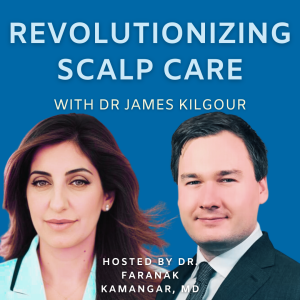
In this episode of The Future of Dermatology Podcast, Dr. Faranak Kamangar interviews James Kilgour, a dermatology resident at Stanford and the founder of KilgourMD. They discuss James's journey from the UK to California, his experiences in dermatology, and the innovative skincare line he developed for scalp health. The conversation delves into the importance of understanding the environmental factors affecting hair loss, the need for a skincare regimen for the scalp, and the future of treatments like PRP in dermatology.
Takeaways
James Kilgour's journey from the UK to Stanford highlights the importance of mentorship.
The concept of treating the scalp like facial skin is revolutionary.
Environmental factors play a significant role in hair loss.
Patients often seek alternatives to traditional hair loss treatments like minoxidil.
Regenerative medicine is becoming a focal point in dermatology.
Understanding the microenvironment around hair follicles is crucial for treatment.
Skincare products are essential for both cosmetic and health reasons.
The need for a comprehensive approach to scalp health is unmet in current dermatology practices.
PRP shows promise in hair restoration and scalp health.
Innovation in dermatology is driven by patient needs and scientific research.
Chapters
00:00 - Introduction to the Future of Dermatology Podcast01:51 - James Kilgour's Journey in Dermatology04:15 - The Birth of KilgourMD07:56 - Understanding Scalp Health and Environment10:14 - Innovative Approaches to Hair Loss Treatment14:00 - The Future of Dermatology and PRP

Tuesday Jan 14, 2025
Tuesday Jan 14, 2025
Summary
In this episode of the Future of Dermatology podcast, Dr. Faranak Kamangar speaks with Mitchell Hanson, a medical student and researcher, about the intersection of dermatology, sexual health, and public health. They discuss the importance of modernizing sexual health history taking, the impact of MPOX on sexual and gender minorities, and the role of trust in patient care. The conversation also highlights the significance of vaccination efforts and the integration of art and advocacy in dermatology. Mitchell shares his vision for the future of dermatology, emphasizing the need for effective communication and engagement with the public through media.
Articles mentioned in this podcast:
https://practicaldermatology.com/topics/feature/advancing-sexual-health-histories-in-dermatology-a-modernized-comprehensive-approach-for-diverse-populations/28864/ https://www.greaterthan.org/campaigns/mpox/https://www.nejm.org/doi/full/10.1056/NEJMp2407068
Takeaways
Dermatology has deep roots in public health and sexual health education.
Building trust with patients is essential for effective care.
Modernizing sexual health history taking is crucial for accurate diagnoses.
MPOX has significant implications for sexual and gender minorities.
Vaccination efforts are vital in controlling public health threats like MPOX.
Art can serve as a powerful tool for advocacy in dermatology.
Health equity must be prioritized in dermatological practices.
Education is key to dispelling misinformation about vaccines.
Engaging with media can enhance public understanding of dermatology.
The future of dermatology lies in innovative ideas and community involvement.
Chapters
00:00 - Introduction to Dermatology and Guest Background02:48 - The Importance of Sexual Health in Dermatology05:59 - Building Trust with Patients09:08 - Modernizing Sexual Health History Taking11:46 - Understanding MPOX and Its Impact14:56 - Clinical Presentation and Diagnosis of MPOX18:09 - Public Health Response and Vaccination Efforts20:56 - Art and Advocacy in Dermatology23:46 - Future of Dermatology and Media Engagement

Tuesday Jan 07, 2025
Tuesday Jan 07, 2025
Summary
In this episode of the Future of Dermatology podcast, Dr. Zakia Rahman, MD, discusses the advancements in laser treatments for dermatological conditions, particularly focusing on acne scarring. The conversation covers the differences between ablative and non-ablative lasers, their applications, and the importance of understanding patient healing processes. The episode also highlights the success of the SF Derm 2024 meeting and encourages listeners to engage with the podcast community.
Takeaways
The SF Derm 2024 meeting was a significant event for dermatologists.
Fractional lasers utilize surrounding normal skin for effective treatment.
Acne scarring is prevalent, especially in certain ethnic groups.
Active acne must be treated before addressing scarring.
Non-ablative lasers can be effective for various skin types.
Ablative lasers require careful consideration of downtime and healing.
Skin healing varies significantly among patients.
FDA clearance for lasers includes treatment for vascular lesions.
Engagement with the audience is crucial for podcast growth.
Medical advice should always come from a qualified doctor.
Chapters
00:00 - Introduction to the Future of Dermatology Podcast01:00 - Understanding Laser Treatments in Dermatology04:13 - Addressing Acne Scarring and Treatment Modalities07:05 - Ablative vs Non-Ablative Laser Treatments

Thursday Jan 02, 2025
Thursday Jan 02, 2025
Summary
In this episode of the Future of Dermatology podcast, Dr. Faranak Kamangar welcomes back Dr. Nahid Vidal to discuss her experience at the ASDS Iron Surgeon Competition. They delve into the creative process behind Dr. Vidal's entertaining video presentation, the balance between professionalism and creativity in the medical field, and the joy of participating in such a unique event. Dr. Vidal shares insights on the importance of community and the positive impact of creativity in dermatology, as well as her reflections on the future of her career and the field.
Watch Dr Nahid Vidal's epic music video here: https://youtu.be/5oYTc2YKa3M?si=qovWHj5clI5uOfEL
Takeaways
Dr. Vidal won the ASDS Iron Surgeon Competition, showcasing her skills and creativity.
The competition combines surgical expertise with entertainment, making it unique in the dermatology field.
Creativity in reconstructive surgery is essential and can enhance patient outcomes.
Dr. Vidal's background in making music videos contributed to her success in the competition.
The video presentation was a collaborative effort involving her family and colleagues.
Balancing professionalism with creativity is a challenge for many physicians.
The joy and camaraderie among colleagues were evident in the video and during the competition.
Dr. Vidal aims to inspire others in the field through her creative endeavors.
Participating in the competition was an honor and a fun experience for Dr. Vidal.
The future of dermatology may benefit from more creative and entertaining approaches.
Chapters
00:00 - Introduction to the Future of Dermatology Podcast00:49 - The ASDS Iron Surgeon Competition04:07 - Creative Process Behind the Competition Video10:57 - Balancing Professionalism and Creativity17:59 - The Day of the Competition23:53 - Reflections on the Experience and Future Aspirations
Tuesday Dec 24, 2024
Tuesday Dec 24, 2024
Summary
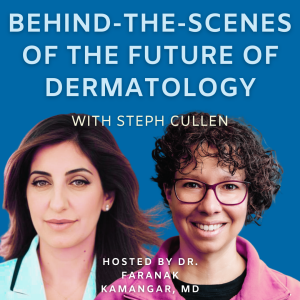
In this episode of The Future of Dermatology podcast, host Dr. Faranak Kamangar and, podcast producer Steph Cullen, discuss the behind-the-scenes workings of the podcast, the importance of nonprofit organizations, and the educational and mentorship roles within the field. They explore the impact of media on dermatology, the depth of the specialty beyond cosmetic procedures, and future topics for the podcast, including tattoos and their effects on skin health.
Takeaways
The Future of Dermatology Podcast aims to educate and inform about various dermatological topics.
Nonprofits play a crucial role in enhancing community health and awareness in dermatology.
Media production is essential for nonprofits to gain exposure and support.
Education and mentorship are vital components of the dermatology community.
The podcast has evolved to include virtual conferences and a wider audience.
Dermatology encompasses much more than just cosmetic procedures like pimple popping.
The passion of dermatologists for their field is evident in their discussions.
Future podcast topics may include tattoos and their implications for skin health.
The importance of community and collaboration in dermatology is emphasized.
The podcast encourages participation and feedback from its audience.
Chapters
00:00 - Introduction to the Future of Dermatology Podcast01:52 - Behind the Scenes with Stephanie07:58 - The Impact of Nonprofits in Dermatology10:53 - Education and Mentorship in Dermatology18:02 - The Role of Media in Dermatology22:17 - Exploring the Depth of Dermatology23:38 - Future Topics for the Podcast

Tuesday Dec 17, 2024
Tuesday Dec 17, 2024
Summary
In this conversation, Dr. Faranak Kamangar and medical student, Payton Smith, delve into the complexities of chronic itch, discussing its prevalence, societal misunderstandings, and the evolution of treatment options. Payton shares his personal journey with chronic idiopathic pruritus, highlighting the emotional and physical toll of the condition. They explore the inadequacies of current treatment approaches, the importance of validating patients' experiences, and the promising future of biologics in dermatology. The discussion emphasizes the need for empathy in patient care and the challenges within the healthcare system that hinder access to effective treatments.
Takeaways
Chronic itch affects over 15% of the population.
Itch is often misunderstood and dismissed in society.
Pain management has more research and resources than itch.
Chronic itch can be caused by various systemic diseases.
Biologics are changing the landscape of itch treatment.
Patients often feel isolated and misunderstood due to their condition.
Early and aggressive treatment of itch is crucial.
The healthcare system complicates access to itch treatments.
Empathy and validation are essential in patient care.
Research and advocacy for itch need to be prioritized.
Chapters
00:00 - Introduction to Itch and Its Importance02:50 - Understanding Chronic Itch05:09 - The Pain vs. Itch Paradigm11:09 - The Role of Biologics in Treating Itch16:13 - Challenges in Accessing Treatments18:34 - Societal Misunderstandings of Itch24:59 - The Need for Early Intervention26:54 - Future of Dermatology and Itch Treatments
Tuesday Dec 10, 2024
Tuesday Dec 10, 2024
Summary
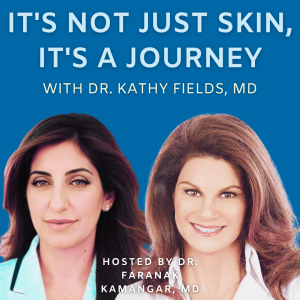
In this episode of The Future of Dermatology Podcast, Dr. Faranak Kamangar engages in a deep conversation with Dr. Kathy Fields about the evolving landscape of dermatology, the psychological impact of skin conditions, and the importance of mental health awareness. They reflect on the recent TEDx event, discuss the challenges posed by social media, and emphasize the need for female leadership in medicine. The conversation also touches on the future of dermatology with the rise of AI and the importance of building strong relationships with patients.
Watch Dr. Field's full TEDx presentation: https://youtu.be/SbSa81utzJE?si=Ur4J-oRFVxdENMo5
Catch more TEDx presentations!
Dr. Faranak Kamangar: https://youtu.be/XAcCahWkKiQ?si=KOw8eo9X-VmbrBC4
Dr. Julie Letsinger: https://youtu.be/BKpRZHp1u44?si=C1IybJtRiJFoZL-P
Nora Engstrom: https://youtu.be/ZP64ZhULyBI?si=ewmVSApitKs7mURn
Dr. Leah Millheiser: https://youtu.be/hvkHeb7_Q6w?si=LrCevtnksLrMhOg5
Melissa Bowdoin: https://youtu.be/SbSa81utzJE?si=Ur4J-oRFVxdENMo5
Takeaways
The psychological impact of skin conditions is significant and often overlooked.
Social media exacerbates mental health issues related to skin appearance.
Female leadership in medicine is crucial for fostering inclusivity and support.
AI is transforming diagnostics but cannot replace the human touch in patient care.
Dermatology has evolved significantly over the past decades, offering more than just treatment for skin issues.
Building relationships with patients is essential for effective care.
Imposter syndrome is a common challenge for both men and women in medicine.
Advocacy for mental health awareness is vital in dermatology.
The importance of mentorship and finding advocates in your professional journey.
The future of dermatology is bright, with opportunities for growth and innovation.
Chapters
00:00 - Introduction to the Future of Dermatology Podcast
00:58 - Reflections on the TEDx Event
05:06 - The Impact of Social Media on Mental Health
07:03 - The Psychological Aspects of Dermatology
11:47 - Female Leadership in Medicine
16:06 - The Future of Dermatology and AI
20:01 - Building Relationships in Patient Care
Tuesday Dec 03, 2024
Tuesday Dec 03, 2024
Summary
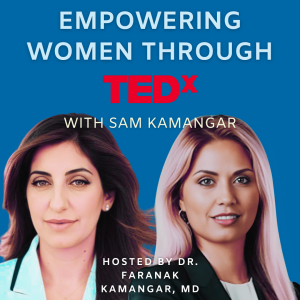
Dr. Faranak Kamangar and Sam Kamangar chat about the TEDx Sandhill Road Women event, highlighting the importance of storytelling, mentorship, and community support in empowering women. They discuss their experiences and insights on engaging the younger generation, the role of men in supporting women's empowerment, the significance of language in professional settings, and the challenges women face in health and legal access. This discussion emphasizes the need for continuous growth, collaboration, and the sharing of ideas to foster a supportive environment for future generations.
Do you know someone who has a story to share? Let's connect! thefutureofdermatology@gmail.com
They could be a guest on our next podcast or at our next TEDx event.
Watch the full TEDx presentations!
Dr. Faranak Kamangar: https://youtu.be/XAcCahWkKiQ?si=KOw8eo9X-VmbrBC4
Dr. Julie Letsinger: https://youtu.be/BKpRZHp1u44?si=C1IybJtRiJFoZL-P
Nora Engstrom: https://youtu.be/ZP64ZhULyBI?si=ewmVSApitKs7mURn
Dr. Leah Millheiser: https://youtu.be/hvkHeb7_Q6w?si=LrCevtnksLrMhOg5
Melissa Bowdoin: https://youtu.be/SbSa81utzJE?si=Ur4J-oRFVxdENMo5
Dr. Kathy Fields: https://youtu.be/SbSa81utzJE?si=Ur4J-oRFVxdENMo5
Takeaways
The TEDx format is an effective way for professionals to share ideas.
Storytelling plays a crucial role in shaping the next generation. - Engaging young people in discussions is essential for their development.
Men's support is vital in women's empowerment initiatives.
Language proficiency can significantly impact professional success.
Access to legal resources is critical for personal and professional growth.
Empowering young female leaders is essential for future progress.
Navigating change requires personal growth and stepping out of comfort zones.
Menopause should be openly discussed to educate and empower women.
Collaboration and sharing ideas can lead to greater success.
Chapters
00:00 - Introduction to the Future of Dermatology Podcast
00:52 - The Importance of Executive Presence
03:38 - Role Models and Storytelling in Women's Lives
05:30 - Engaging the Younger Generation
07:17 - The Power of Diverse Communities
09:10 - Men Supporting Women in Professional Spaces
11:05 - Breaking Taboos in Women's Health Discussions
12:21 - Recap of TEDx Talks
12:40 - AI and Language in Dermatology
16:09 - Dr Kathy Fields: A Dermatology Pioneer
19:12 - Nora Engstrom: Access to Law for Women
21:23 - Melissa Bowdoin: Empowering Future Leaders
25:16 - Dr. Julie Letsinger: Navigating Change
26:35 - Dr. Leah Millheiser: Menopause and Women's Health
29:22 - The Impact of Education and Experience
32:11 - The Importance of Teamwork and Support
34:29 - Encouraging the Next Generation
37:10 - Looking Ahead: Future TEDx Events