The Future of Dermatology
Join Dr. Faranak Kamangar, MD, every week as she chats with various guests about the future of dermatology. Each week, Dr. Kamangar and her guests cover topics from psoriasis, to eczema, to skin care, to AI, and more. Whether you’re a doctor or a patient, these episodes provide valuable information about your skin and how to navigate the world of dermatology.
Listen on:









Episodes
Tuesday Oct 01, 2024
Tuesday Oct 01, 2024
Summary
In this episode, medical students Chandler Johnson and Payton Smith share their experiences navigating the residency application process in dermatology. They discuss the challenges of applying for away rotations, the importance of preparation and research, and strategies for making a positive impression during rotations. The conversation emphasizes the significance of building relationships within the medical team, active participation in procedures, and the necessity of self-care and authenticity throughout the demanding journey of medical education.
Takeaways
The residency application process is highly competitive, especially in dermatology.
Away rotations are crucial for gaining exposure and making connections. - Researching programs and reaching out to past students can ease anxiety.
Preparation for rotations includes studying relevant material beforehand.
Building relationships with all team members is essential for success.
Active participation in procedures can help you stand out.
Self-care is vital to avoid burnout during medical training.
Authenticity is key; be yourself during rotations.
Networking is important; introduce yourself to everyone.
The timeline for interviews and applications can be overwhelming, focus on one step at a time.
Chapters
00:00 - Introduction to the Journey of Dermatology Residency
03:03 - Navigating the ERAS Application Process
05:52 - Choosing and Preparing for Away Rotations
09:05 - Tips for Success During Away Rotations
11:56 - Building Relationships and Networking
15:08 - Active Participation in Procedures
18:12 - The Future: Interviews and Match Day Preparation
21:09 - Self-Care and Maintaining Authenticity
Tuesday Sep 24, 2024
Tuesday Sep 24, 2024
Summary
Dr. Paradi Mirmirani shares insights on hair loss, particularly alopecia areata, and discusses the importance of miniaturization in hair disorders. This exclusive session from SF Derm 2024 delves into the role of environmental factors in scarring alopecia and offers practical tips for dermatologists to improve patient outcomes. Want to learn more? You'll have to join us for next year's SF Derm Society Conference in June of 2025!
Takeaways
Hair loss updates are crucial for effective patient care.
Miniaturization is a key factor in diagnosing hair loss.
Low dose oral minoxidil is effective for various hair disorders.
Environmental factors may contribute to scarring alopecia.
Avoiding fragrances can significantly improve scalp health.
Monitoring for side effects of minoxidil is essential.
Collaboration among experts can enhance treatment protocols.
Understanding patient history is vital for effective treatment.
Education on hair disorders is important for dermatology practitioners.
Chapters
00:00 - Introduction to the Future of Dermatology Podcast
01:54 - Hair Loss Updates and Practical Tips
04:36 - Understanding Miniaturization in Hair Loss
10:55 - Exploring Scarring Alopecia and Environmental Factors
Tuesday Sep 17, 2024
Tuesday Sep 17, 2024
Summary
In this episode of the Future of Dermatology Podcast, Dr. Faranak Kamangar discusses the complexities of acne treatment, focusing on the psychological impact of acne on patients and the importance of effective topical therapies. The conversation covers the latest guidelines for acne treatment, the efficacy of various topical agents including benzoyl peroxide and retinoids, and explores advanced treatment options such as isotretinoin and laser therapy. The episode emphasizes the need for patient compliance and the role of alternative treatments in managing acne effectively.
Takeaways
Acne topicals are important for improving patients' quality of life.
The AED guidelines recommend benzoyl peroxide, topical retinoids, and topical antibiotics as preferred treatments.
Combining multiple topical therapies and limiting systemic antibiotic use are good practice statements.
Topical therapies are not highly effective, but their efficacy improves when combined.
Other treatments like Clascoterone cream and isotretinoin target sebum reduction and sebaceous gland apoptosis.
The 1726 nanometer laser shows promise as a treatment option.
Azelaic acid, salicylic acid, and other topicals are effective and popular among patients.
Compliance is crucial in acne treatment.
Chapters
00:00 - Introduction to Acne and Its Impact
03:06 - Topical Therapies for Acne Treatment
06:07 - Understanding Benzoyl Peroxide and Its Efficacy
08:47 - Exploring Advanced Treatments and Mechanisms
12:01 - Alternative Topical Treatments and Patient Compliance
Tuesday Sep 10, 2024
Tuesday Sep 10, 2024
Summary
Dr. Mary Alice Mina, a Harvard-trained dermatologist, discusses her transition from clinical medicine to providing education on social media and hosting The Skin Real, a podcast on skin health. She emphasizes the importance of providing accurate and reliable information in the skincare industry, which is often filled with misinformation and gimmicks. Dr. Mina also highlights the shift towards a more holistic and proactive approach to skincare, focusing on preventative measures and overall health. She discusses the advancements in regenerative medicine, such as exosomes and stem cell therapy, and the potential they hold for the future of dermatology. Additionally, she emphasizes the importance of sun protection and the need to educate people about the different types of skin cancers and their potential risks.
Takeaways
Transitioning from clinical medicine to teaching on social media and hosting a podcast allows dermatologists to provide accurate and reliable information to a wider audience.
A holistic and proactive approach to skincare, focusing on preventative measures and overall health, is becoming more popular.
Advancements in regenerative medicine, such as exosomes and stem cell therapy, show promise for the future of dermatology.
Educating people about the importance of sun protection and the different types of skin cancers is crucial in preventing and treating these conditions.
Chapters00:00 - Introduction and Background of Dr. Mary Alice Mina
02:24 - Transitioning from Clinical Medicine to Teaching on Social Media
05:15 - Embracing a Pro-Aging and Holistic Approach to Skincare
15:45 - Exploring Emerging Technologies in Dermatology
19:28 - The Importance of Sun Protection in Preventing Skin Cancers
24:57 - Educating People about Different Types of Skin Cancers
31:47 - Advice for Residents and the Future of Dermatology
Tuesday Sep 03, 2024
Tuesday Sep 03, 2024
Summary
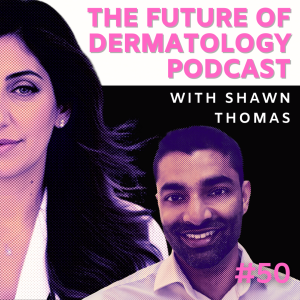
Shawn Thomas shares his journey as a psoriasis patient and co-founder of Solay. He describes his initial symptoms and the progression of his psoriasis, leading to his diagnosis in 2018. Shawn discusses the emotional impact of being diagnosed with an incurable disease and the challenges of managing psoriasis on a daily basis. He emphasizes the importance of sharing his diagnosis and finding support from others who also have psoriasis. Shawn explores various treatment options he tried, including topical corticosteroids and natural remedies, before discovering the Goeckerman therapy. He shares his experience of self-administering the therapy using over-the-counter coal tar and UVB light.
Learn more about Solay at: https://solayhealth.com/
Takeaways
Psoriasis is an incurable disease that can have a significant emotional impact on patients.
Sharing the diagnosis and finding support from others with psoriasis can help patients feel less alone.
Exploring different treatment options, including natural remedies and innovative therapies like Goeckerman therapy, can be beneficial.
Self-administering treatments like coal tar and UVB light may be an alternative for patients who cannot access specialized clinics. Goeckerman therapy can be an effective and safe treatment for psoriasis, but it is often inaccessible due to limited availability and barriers such as time and cost.
Soleil, a telemedicine platform co-founded by Shawn Thomas, aims to make Goeckerman therapy more accessible by providing patients with the necessary equipment and physician oversight.
Innovations in healthcare access and delivery, such as value-based care models and telehealth, are needed to ensure that effective treatments are affordable and available to all patients.
Building trust and strong patient-provider relationships are crucial in improving treatment adherence and outcomes.
The future of dermatology and healthcare should focus on both treatment innovations and innovations in access to care.
Chapters
00:00 - Introduction and Guest Introduction
02:19 - Diagnosis and Challenges of Psoriasis
12:18 - Discovering Goeckerman Therapy
19:06 - Personal Experience with Goeckerman Therapy
27:24 - Innovations in Access to Dermatological Care
35:03 -The Future of Dermatology and Healthcare
40:16 - Conclusion and Closing Remarks
Tuesday Aug 27, 2024
Tuesday Aug 27, 2024
Summary
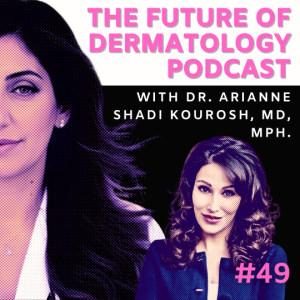
Dr. Arianne Shadi Kourosh, Director of Community Health Department of Dermatology at Massachusetts General Hospital, discusses her work on dermatologic resources for the intervention and prevention of human trafficking. She shares how she first became aware of the issue through her pro bono tattoo removal program for young people leaving gangs. Dr. Kourosh explains the three major categories of skin signs of trafficking: infection/infestations, injury/scarring, and imagery/tattoos. She emphasizes the importance of trauma-informed care and building trust with patients. Dr. Kourosh also highlights the resources available, including the AAD's online toolkit, an online registry of skin signs of trafficking, and the upcoming smartphone app called SSTEAR.
Helpful links:
AAD trafficking toolkit: https://www.aad.org/member/clinical-quality/clinical-care/human-trafficking
Registry of the Skin Signs of Trafficking: Redcap.link/trafficking
Volunteer - contact shadi@mail.harvard.edu
https://humantraffickinghotline.org/en
Takeaways
Human trafficking is a prevalent issue that can affect individuals in our own communities.
Dermatologists can play a crucial role in identifying and assisting trafficking survivors through the recognition of skin signs.
The three major categories of skin signs of trafficking are infection/infestations, injury/scarring, and imagery/tattoos.
Trauma-informed care and building trust with patients are essential in providing effective care.
Resources such as the AAD's online toolkit, an online registry of skin signs of trafficking, and the upcoming smartphone app called STEER are available to healthcare providers.
Chapters
00:00 - Introduction and Background
01:30 - Discovering the Issue of Human Trafficking
03:54 - Skin Signs of Trafficking
09:56 - Recognizing the Prevalence in Our Communities
12:48 - The Three I's: Infection, Injury, and Imagery
19:15 - Trauma-Informed Care and Building Rapport
22:04 - Resources for Healthcare Providers
26:14 - Collaboration and Partnerships
Tuesday Aug 20, 2024
Tuesday Aug 20, 2024
Summary
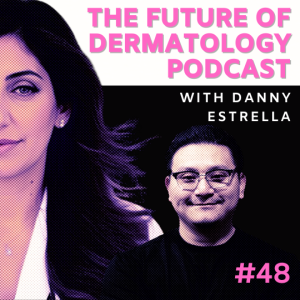
In this episode, Dr. Fara Kamangar and personal trainer Danny Estrella discuss the importance of building muscle for functional longevity and overall health. They debunk myths about weightlifting making women bulky and emphasize the need for proper nutrition and strength training to optimize body composition. They also highlight the connection between muscle mass and basal metabolic rate, emphasizing the importance of maintaining muscle as we age. The conversation concludes with a discussion about the future of fitness and the potential for collaboration between health professionals and personal trainers.
Takeaways
Building muscle is important for functional longevity and overall health.
Proper nutrition and strength training are essential for optimizing body composition.
Maintaining muscle mass is crucial for a higher basal metabolic rate and efficient calorie burning.
The fear of getting bulky from weightlifting is a misconception; it takes time and dedication to build significant muscle mass.
Collaboration between health professionals and personal trainers can lead to better overall health outcomes.
Chapters
00:00 - Introduction and Importance of Building Muscle
05:03 - Debunking Myths About Weightlifting
10:11 - The Role of Nutrition and Stimuli
14:57 - Addressing the Fear of Getting Bulky
20:09 - The Impact of Body Composition and Muscle Mass
25:12 - Bridging the Gap Between Health Professionals and Personal Trainers
Tuesday Aug 13, 2024
Tuesday Aug 13, 2024
Summary
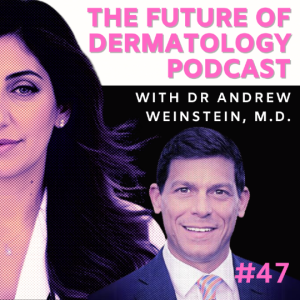
Dr. Andrew Weinstein, MD, MPH, and board-certified dermatologist, discusses the challenges of physician reimbursements in the healthcare industry. He highlights the unsustainable environment that physicians face, with increasing costs and decreasing reimbursements. Dr. Weinstein explains the physician fee schedule and how it has led to a decline in payments for medical services. He emphasizes the need for physicians to unite and advocate for appropriate reimbursement to ensure the future of medicine. Dr. Weinstein proposes the formation of a single-issue alliance and the importance of messaging and lobbying to bring about change.
Contact Dr. Weinstein at derm@bellsouth.net
or American Academy of Dermatology Association at president@aad.org
Takeaways
Physicians face an unsustainable environment with increasing costs and decreasing reimbursements.
The physician fee schedule, established in 1992, determines reimbursement based on the resources utilized in delivering medical services.
Physicians need to unite and advocate for appropriate reimbursement to ensure the future of medicine.
A single-issue alliance can be formed to address the challenges of physician reimbursements and amplify the message to Congress.
Messaging and lobbying efforts are crucial in bringing about change and securing an inflation-based adjustment to the reimbursement system.
Chapters
00:00 - Introduction to the Future of Dermatology podcast
01:15 - Dr. Andrew Weinstein's background and expertise
02:07 - The challenge of physician reimbursements in the healthcare industry
08:36 - The need for physicians to unite and advocate for appropriate reimbursement
19:30 - The power of a single issue alliance in addressing physician reimbursements
23:45 - The importance of changing the path and uniting all specialties
29:24 - Excitement for the future of dermatology and the role of AI
39:56 - Conclusion and call to action